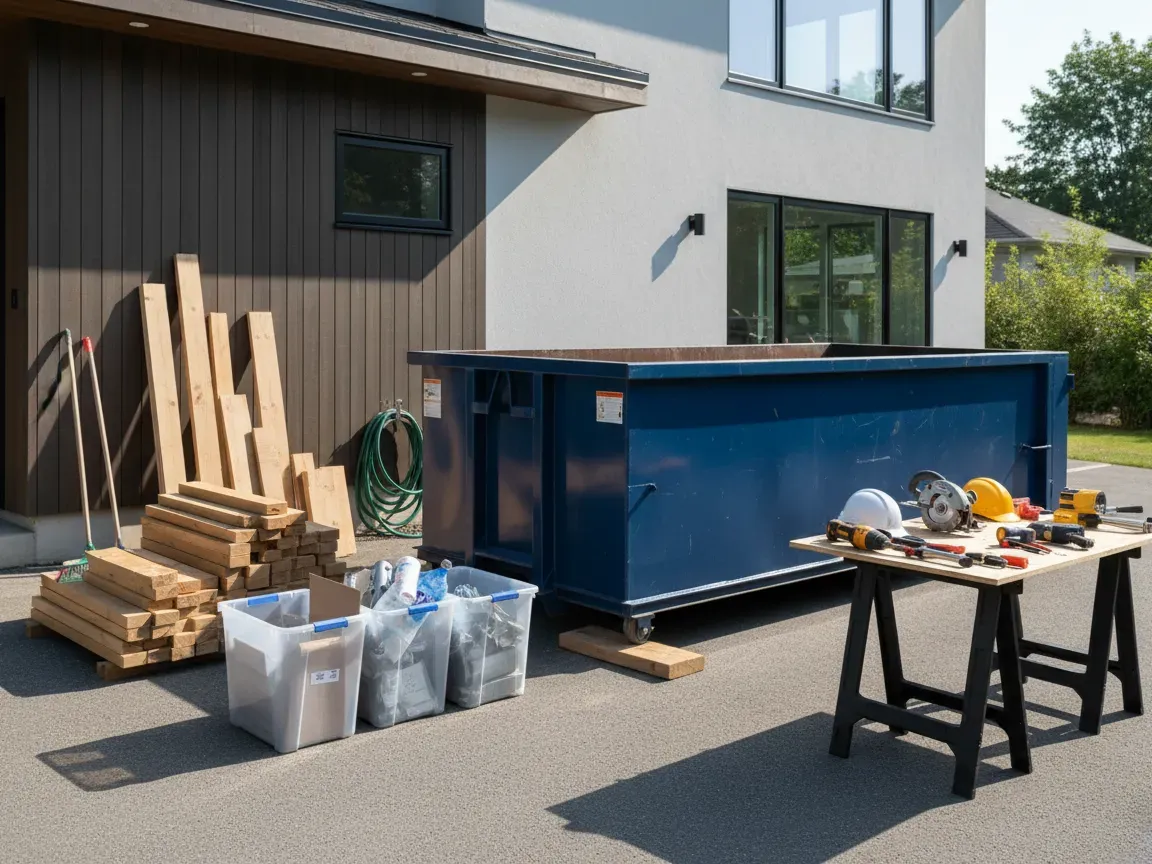
Remodeling a home often brings unexpected financial surprises, but waste management does not have to be one of them. For many property owners, disposal feels like an afterthought compared to picking tile or drywall, yet disorganized cleanup can quickly drain a project budget. Strategic waste management ensures that materials move smoothly from the work site to the disposal facility without triggering costly penalties or disrupting project timelines.
Accurate Sizing Keeps Disposal Budgets on Track
Choosing the right container size requires evaluating both the volume and density of your debris. Homeowners frequently underestimate demolition waste, leading to overflowing containers or the expensive scramble for an emergency second rental. Conversely, selecting a massive bin for light debris means paying for unused capacity. When managing international or overseas properties, researching standardized alternatives such as london skip hire provides a clear benchmark for matching debris weight to regional volume standards.
Heavy materials like broken concrete, brick, tile, and wet plaster fill weight limits long before they reach the top rim of a container. Haulers must comply with strict road weight regulations, meaning overloaded bins often incur severe overweight surcharges. By breaking down your demolition plans room by room, you can calculate realistic cubic yardage and choose a container that fits both the bulk and the weight of your project.
Smarter Waste Sorting Lowers Landfill Expenses
Throwing mixed demolition trash directly into a single container is the fastest way to drive up disposal bills. Landfills and transfer stations charge steep tipping fees for mixed loads, especially when recyclable or hazardous materials are improperly combined. Setting up a basic sorting protocol on your job site significantly reduces total haul volume.
Separating clean wood, metal piping, copper wiring, and architectural salvage keeps unnecessary bulk out of the primary container. Scrap metal yards often accept plumbing fixtures and ductwork for cash, turning waste into immediate project credit. Additionally, keeping hazardous items like paint cans, treated lumber, and old chemical containers out of your bin eliminates contamination fines that waste haulers routinely pass on to customers.
Precise Scheduling Prevents Costly Rental Delays
Timing your dumpster arrival and removal is just as vital as securing the bin itself. Calling for delivery days before demolition starts racks up daily rental fees while the container sits empty. Conversely, ordering it too late leaves heavy debris stacked inside the house, creating tripping hazards and stalling contractor progress.
Placement logistics also require careful foresight. Delivering a heavy roll-off container onto an unprepared asphalt or concrete driveway can cause structural cracking, forcing expensive repairs after your renovation concludes. Laying down protective wooden boards shields paved surfaces from wheel gouges. Furthermore, mapping out delivery prevents municipal code violations, street blockage fines, or permit fees when public right-of-way placement is necessary. Coordinated planning keeps your renovation moving forward smoothly while protecting your bottom line.

Emily Hayes
Emily believes that a home should be a personal sanctuary. She provides practical advice on interior design, smart organization solutions, and budget-friendly DIY projects to help you create a beautiful and functional living space.